Introduction
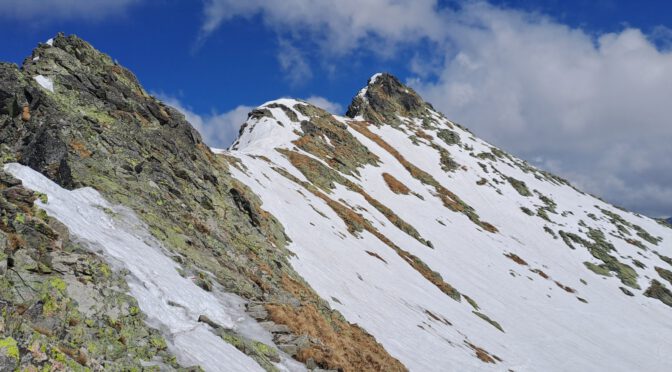
At the outset of May, winter had finally loosened its grip on Central Europe’s mountain ranges, and it is fair to say it has been a pretty harsh cold season.
For doing the more interesting stuff in altitudes beyond two thousand meters, complete winter gear such as crampons and an ice axe was still necessary at this point in time, also and especially in the High Tatras mountain range in Poland, and you had to deal with a degree of uncertainty whether ground conditions allow access to particular places, after all.
The upside was that you had that sense of seclusion in an otherwise very touristy mountain region, and the transition from winter to spring creates that special atmosphere in nature that I really enjoy.
Mały Kozi Wierch, May 6
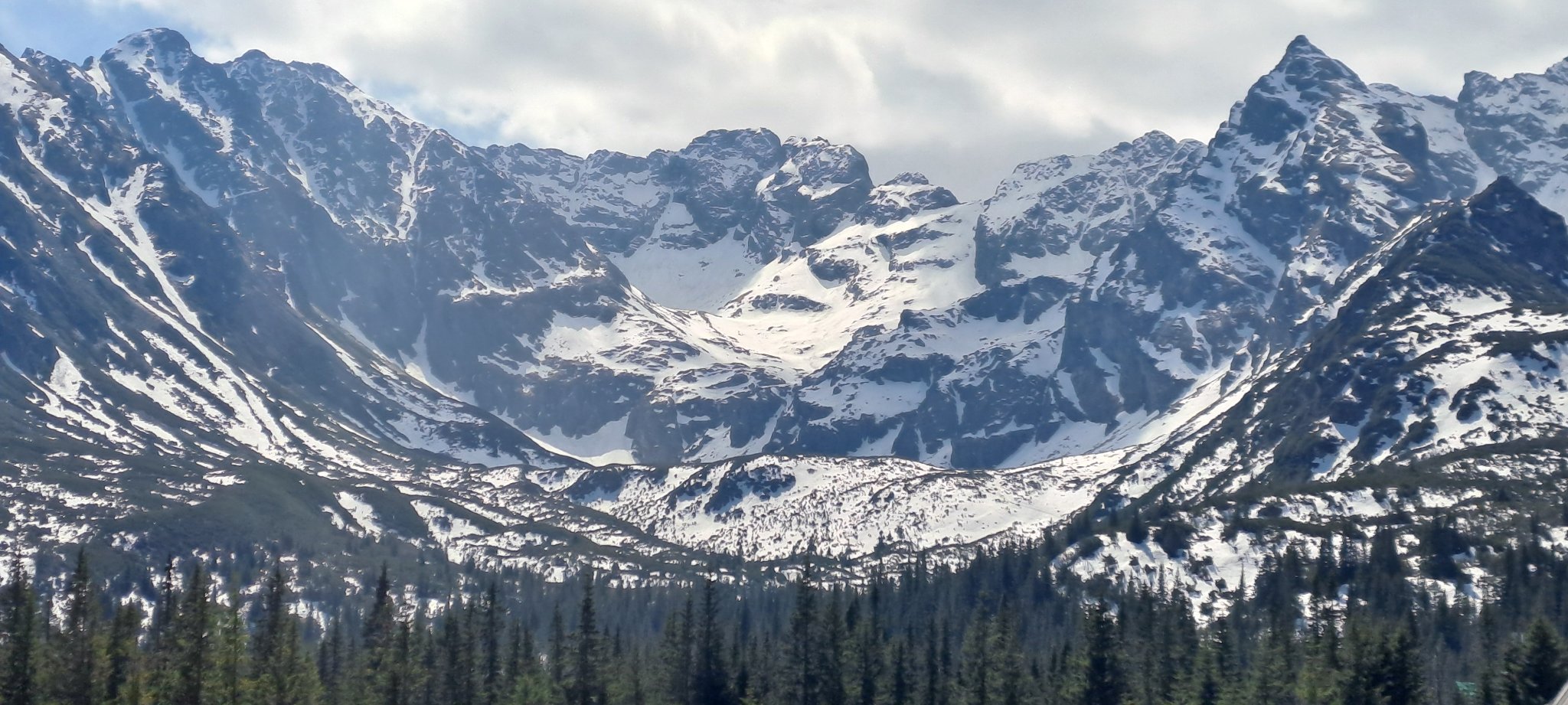
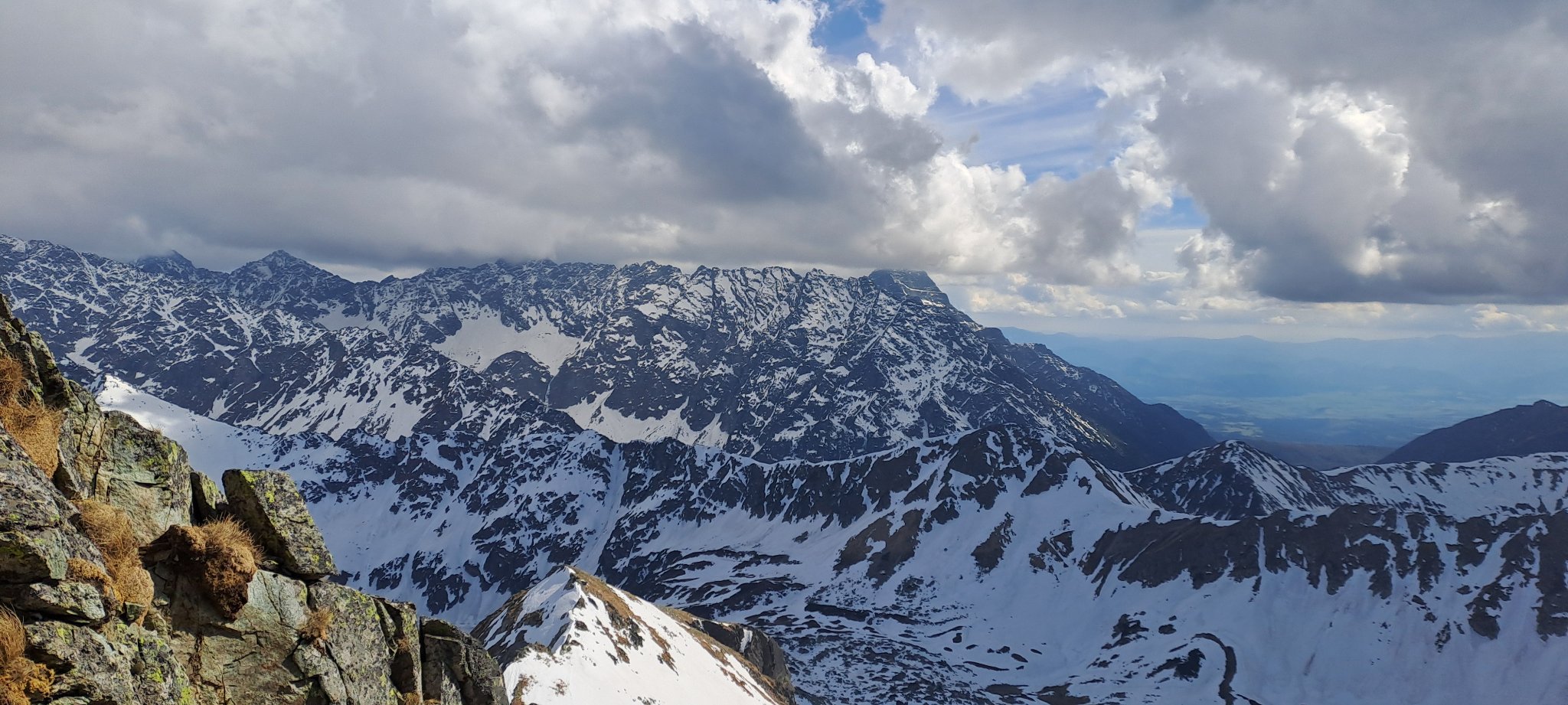
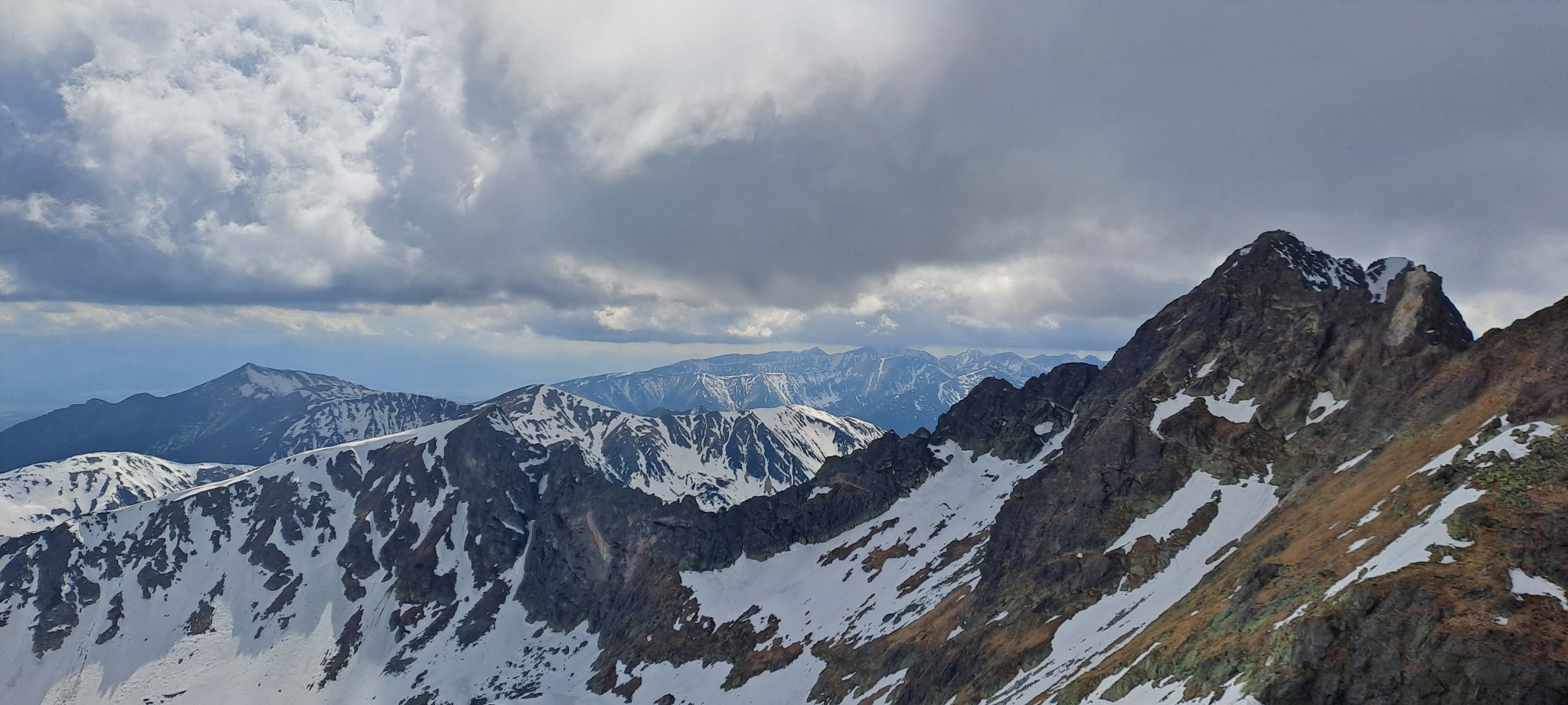
All that being said, a worthwhile goal seemed the Mały Kozi Wierch peak, boasting 2226 meters of altitude and lying in its entirety in Poland (as opposed to peaks lying close-by straddling the border, Świnica for example) as part of the popular Orla Perć trail.
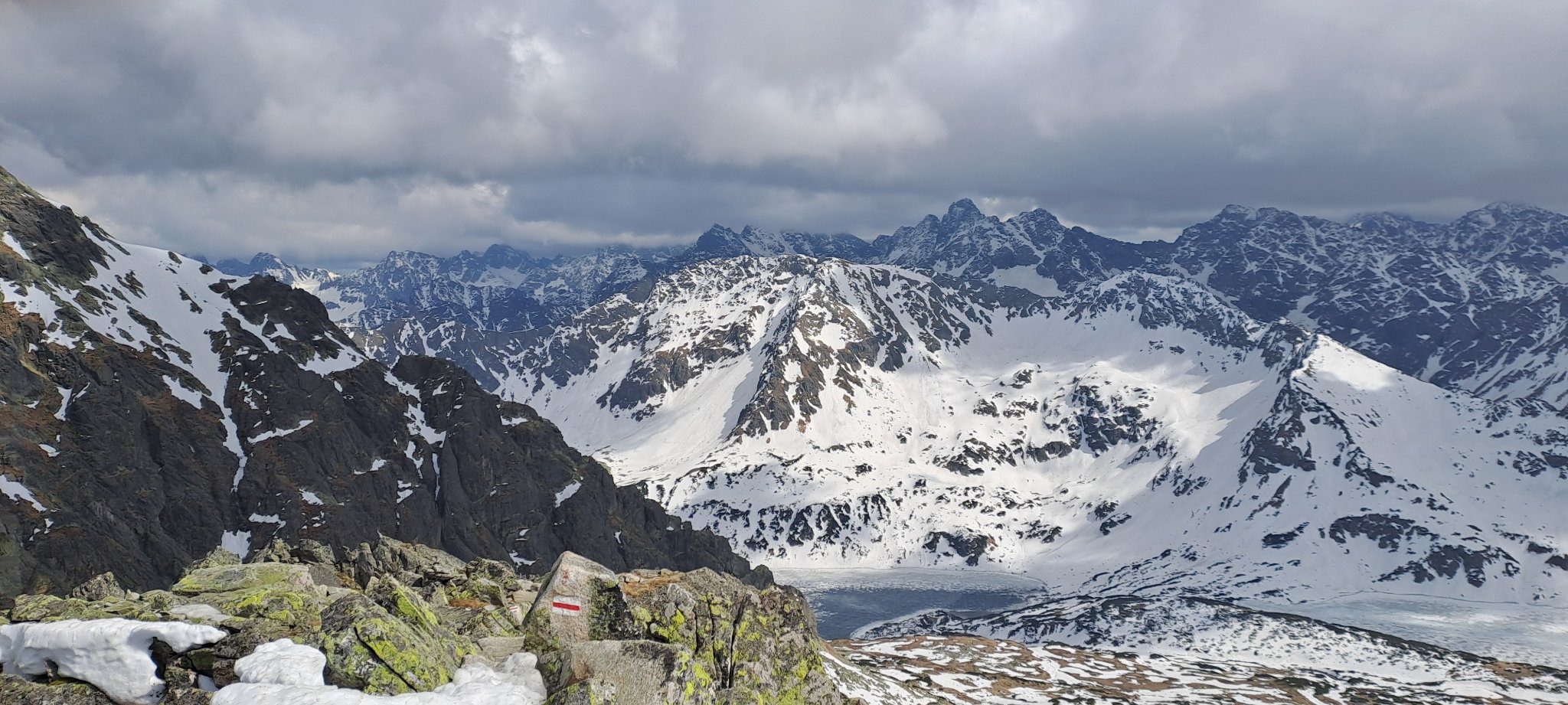
I won’t bother with descriptions about the tour’s first part, the footpaths from Kuźnice to the splendid Czarny Staw Gąsienicowy mountain lake are walked literally by hundreds of tourists on any given day, and there is nothing difficult or very remarkable about them.
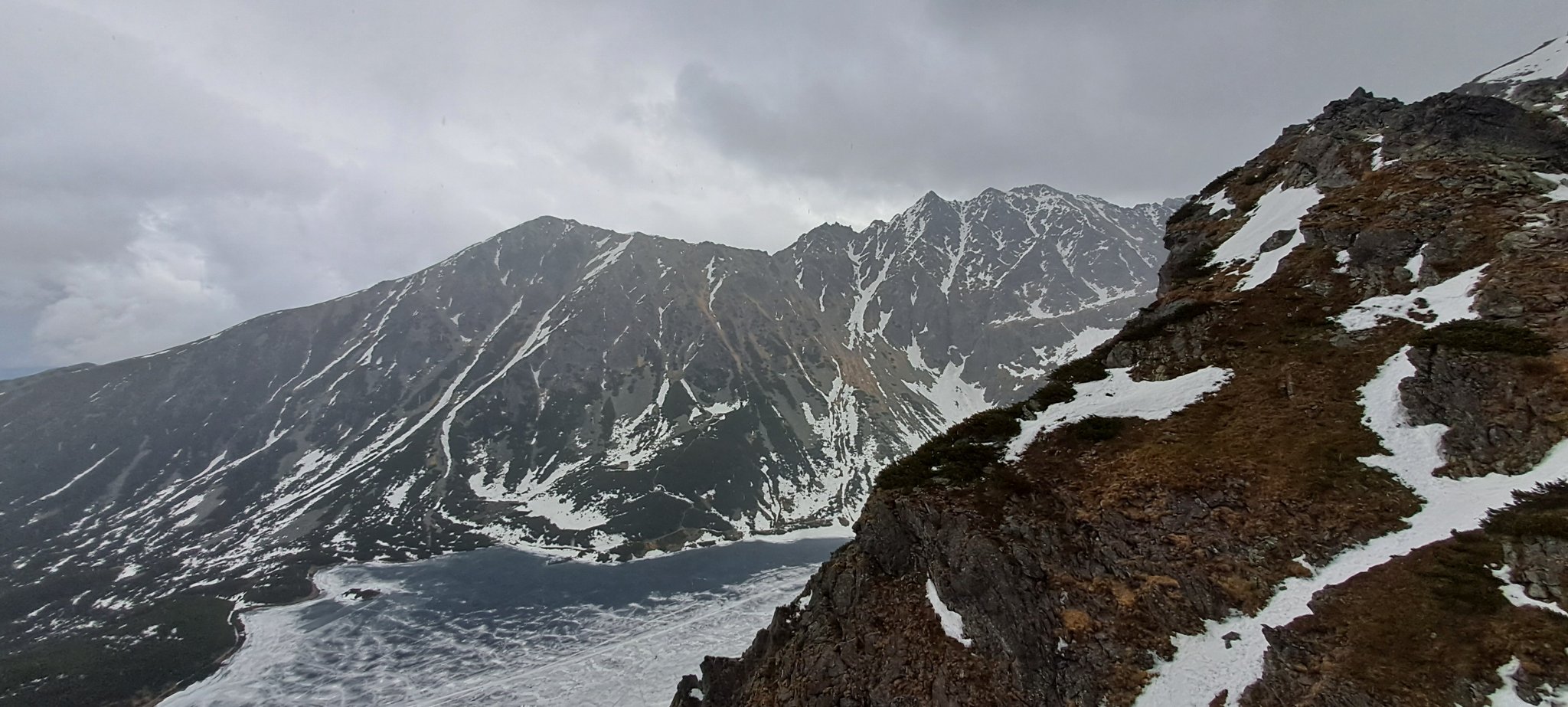
Few hike any further though, so I was a solitary figure for the next two hours before encountering a handful of people approaching from Dolina Pięciu Stawów Polskich. This was after reaching the Zawrat mountain saddle (2159 meters), the actual starting point of Orla Perć.
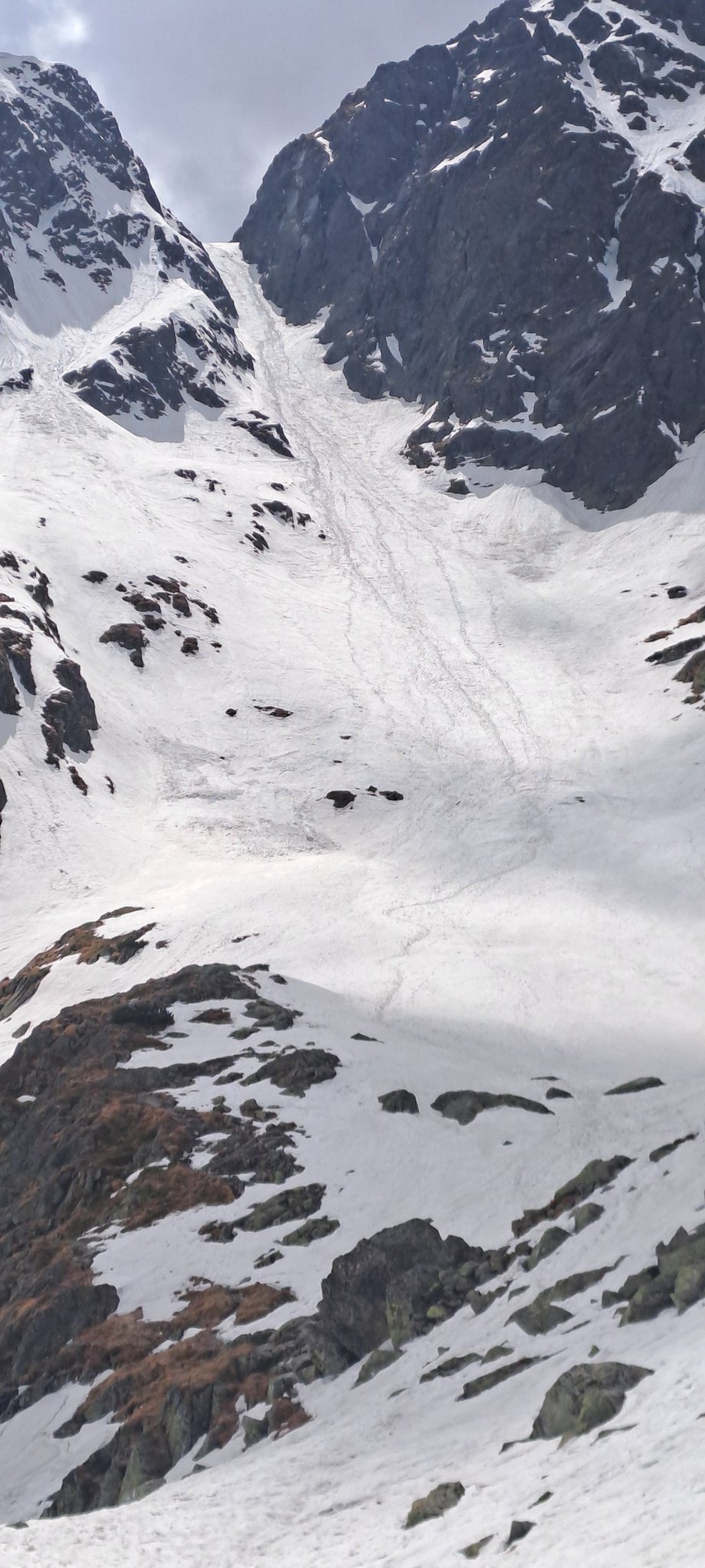
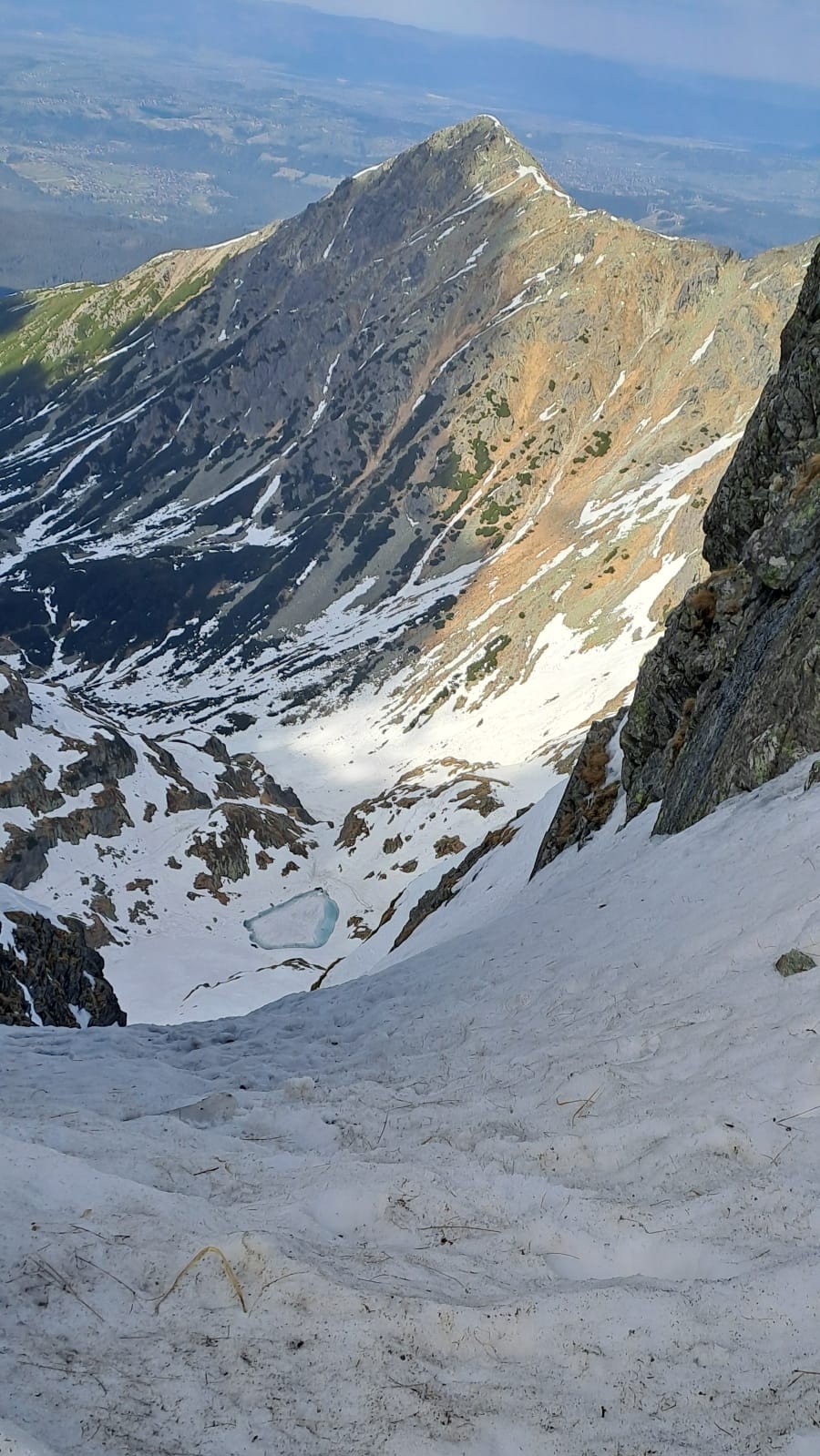
Scaling Zawrat could be described as slightly technical, yet the snow was very soft and it felt like climbing a long staircase, making use of my ice axe (that was otherwise not needed) as a walking stick, so no real difficulties here either. On the mountain saddle I switched from crampons to microspikes because I felt more comfortable with them for the “mixed climbing” sections that now laid in front of me.
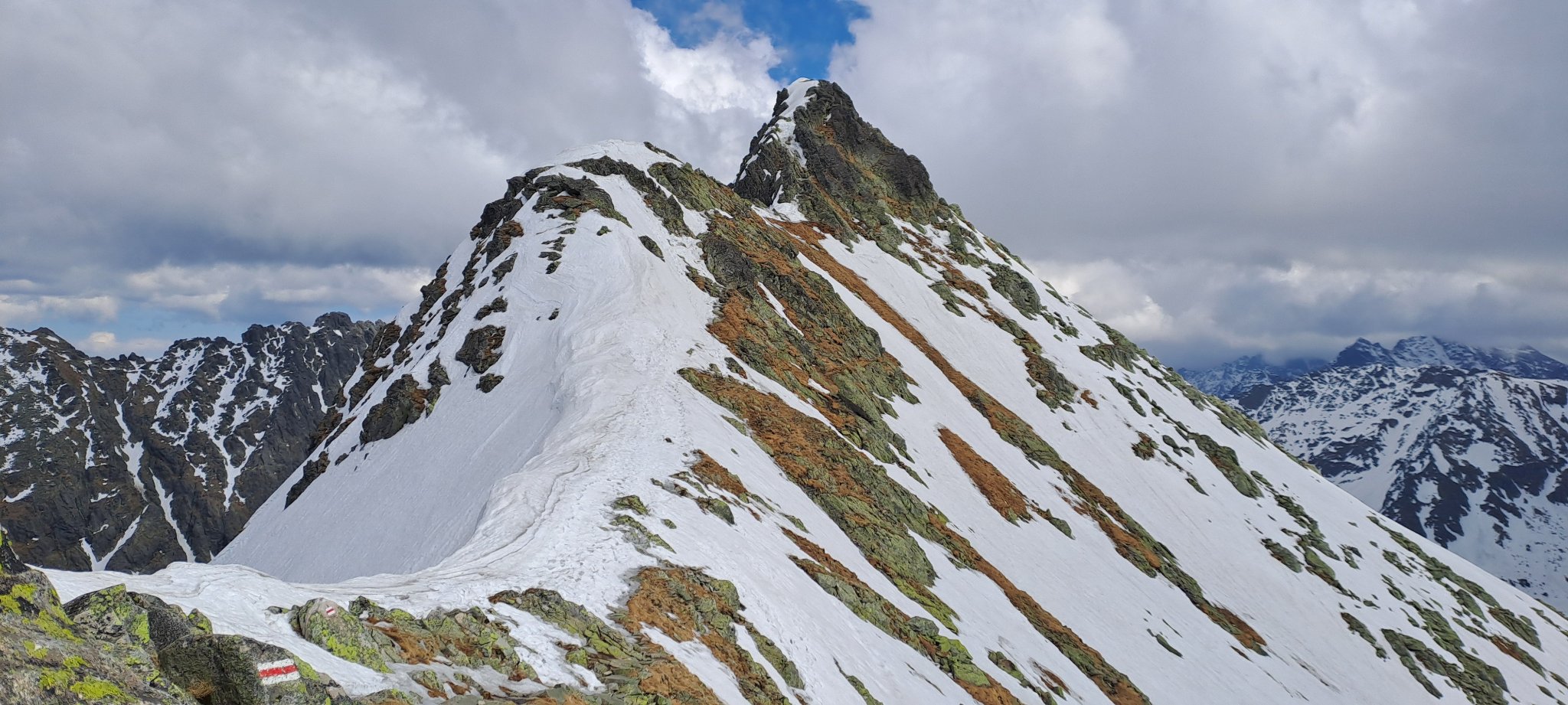
There hadn’t to be gained so much more altitude for getting to Mały Kozi Wierch obviously, for the next hour it was a solid up and down and the challenge was finding a convenient way through the occasional snowpiles and the wet and loose rocks.
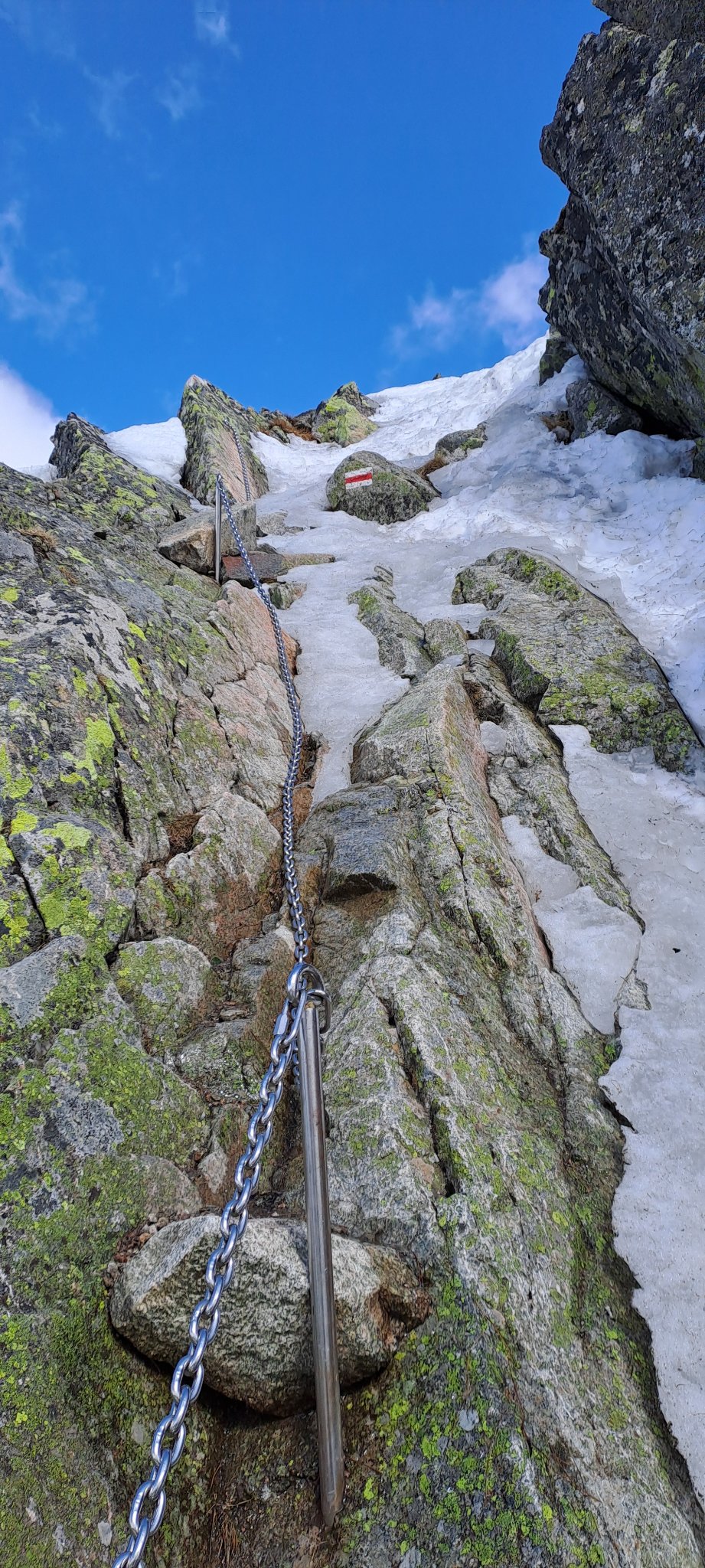
The notion of proceeding and doing the entire trail upon reaching the peak (and climbing a little beyond) occurred to me naturally, yet my Polish friends in our WhatsApp group advised rather vehemently against it (“the hardest parts are yet to come!”).
Judging just by the mere sight of the ominously looking patches of dirty snow, and considering the fact I had neither partner nor rope, the safety margin struck me as indeed very thin.
Retracing my steps to the Murowaniec mountain hut I did appreciate having the opportunity to be in this impressive mountain range, and to have gained some additional experience for future projects hopefully.
Photo gallery