Table of contents
Introduction
Pico Salvaguardia, October 21st and 23rd
Photo and video gallery
Summary
Introduction
I’d only been once to Spain in my adult life, an ad-hoc trip to San Sebastián in the Basque Country while I was making cycling tours in the French Pyrenees a couple of years ago.
I was a few times in Spain with family during childhood, summer holidays I barely remember and which had been pretty dull and uneventful, so it has never struck me as appealing an idea to go there again.
Although I am interested in languages in general, I’ve hardly felt any affinity to Southern European languages either, and I’ve never learned one single phrase in Spanish until quite recently.
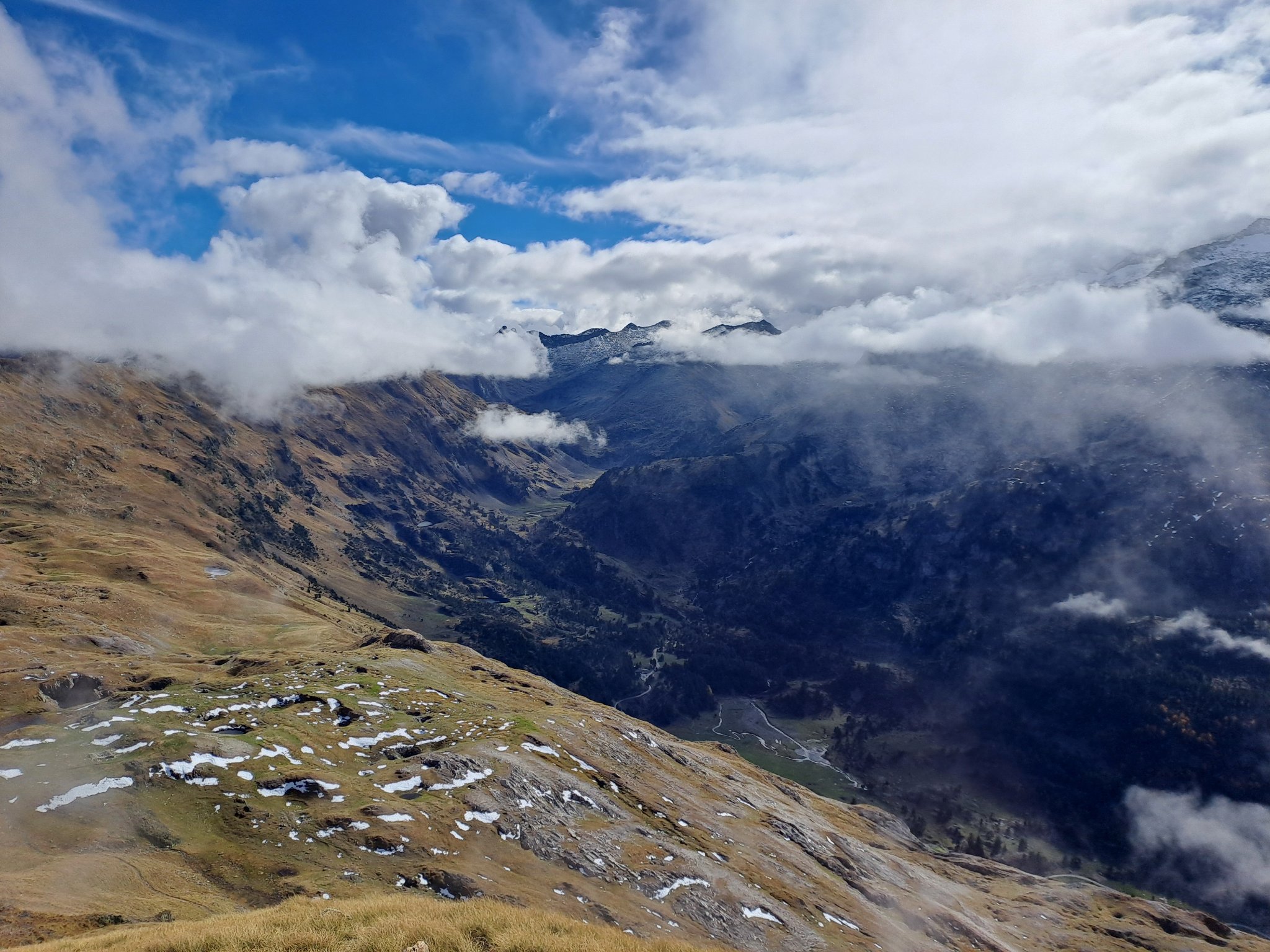
Certainly a miss, since the areas of Northern Spain I just had the opportunity to visit are really intriguing and unique, the barren looking landscapes and the mountain scenery of the Pyrenees boast a peculiar beauty and charm.
Pico Salvaguardia, October 21st and 23rd
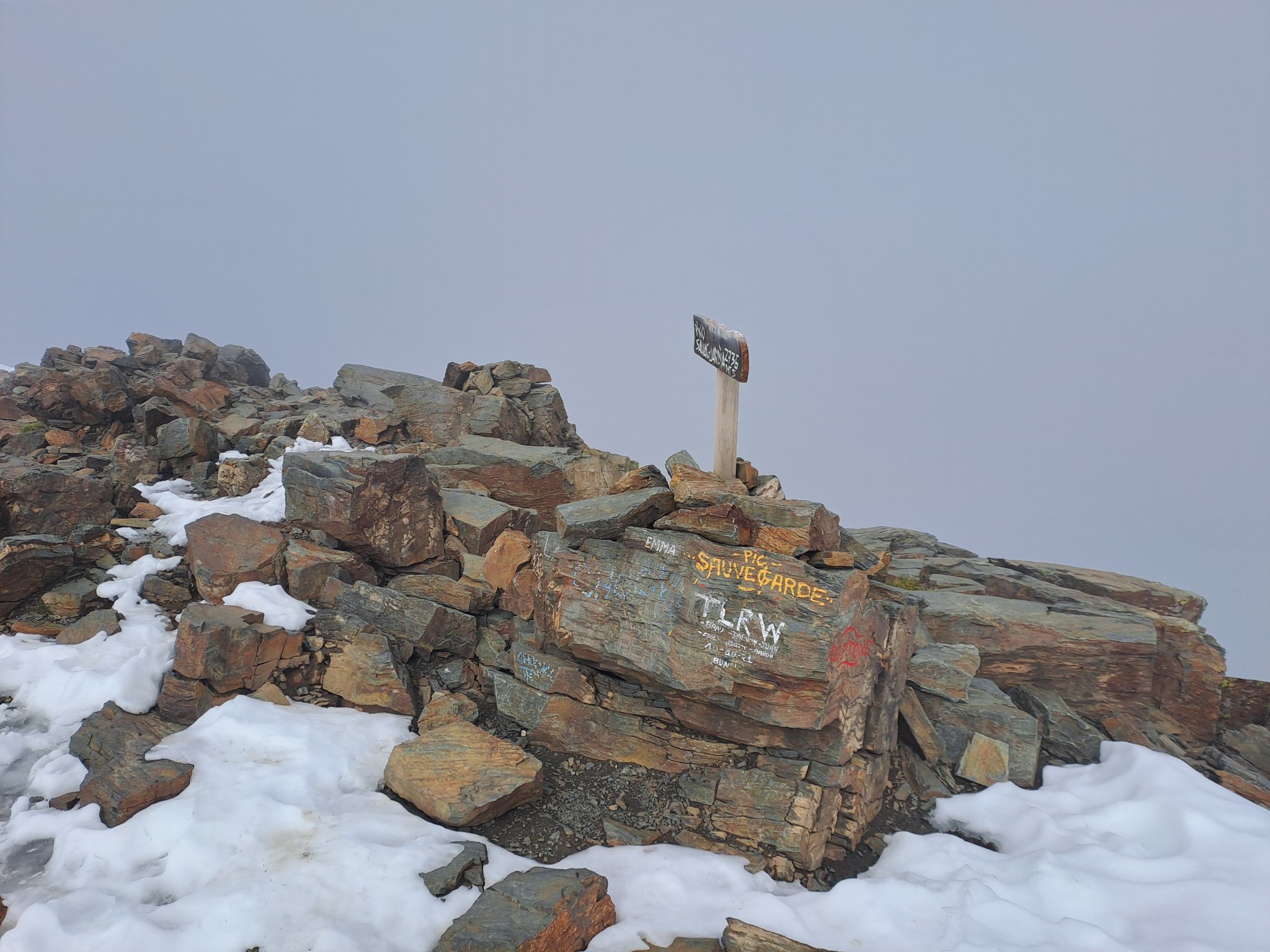
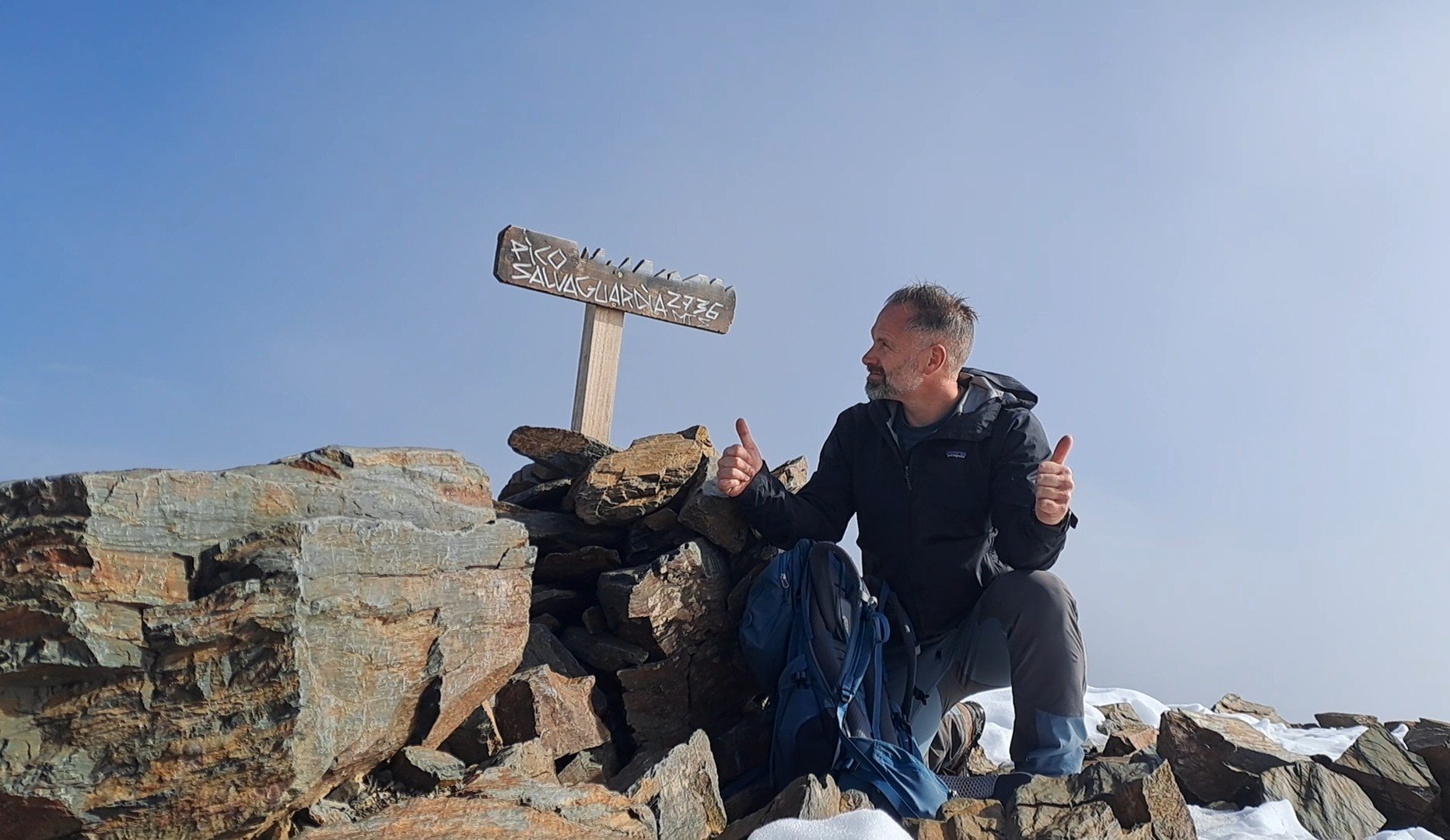
“Guard Peak”, the literal translation of “Pico Salvaguardia”, is a lesser known mountain in Aragon in the central parts of the Pyrenees mountain range, straddling the border between Spain and France.
Pico Salvaguardia boasts a height of 2736 meters above sea level, so it is of moderate height compared to other peaks in the Pyrenees, the highest Pico d’Aneto being 3404 meters tall, followed by Posets being 3375 meters. These two mountains are lying in Spain (actually Aneto is only about eight kilometres off as the crow flies), the tallest mountain in the French Pyrenees is Vignemale (3298 meters).
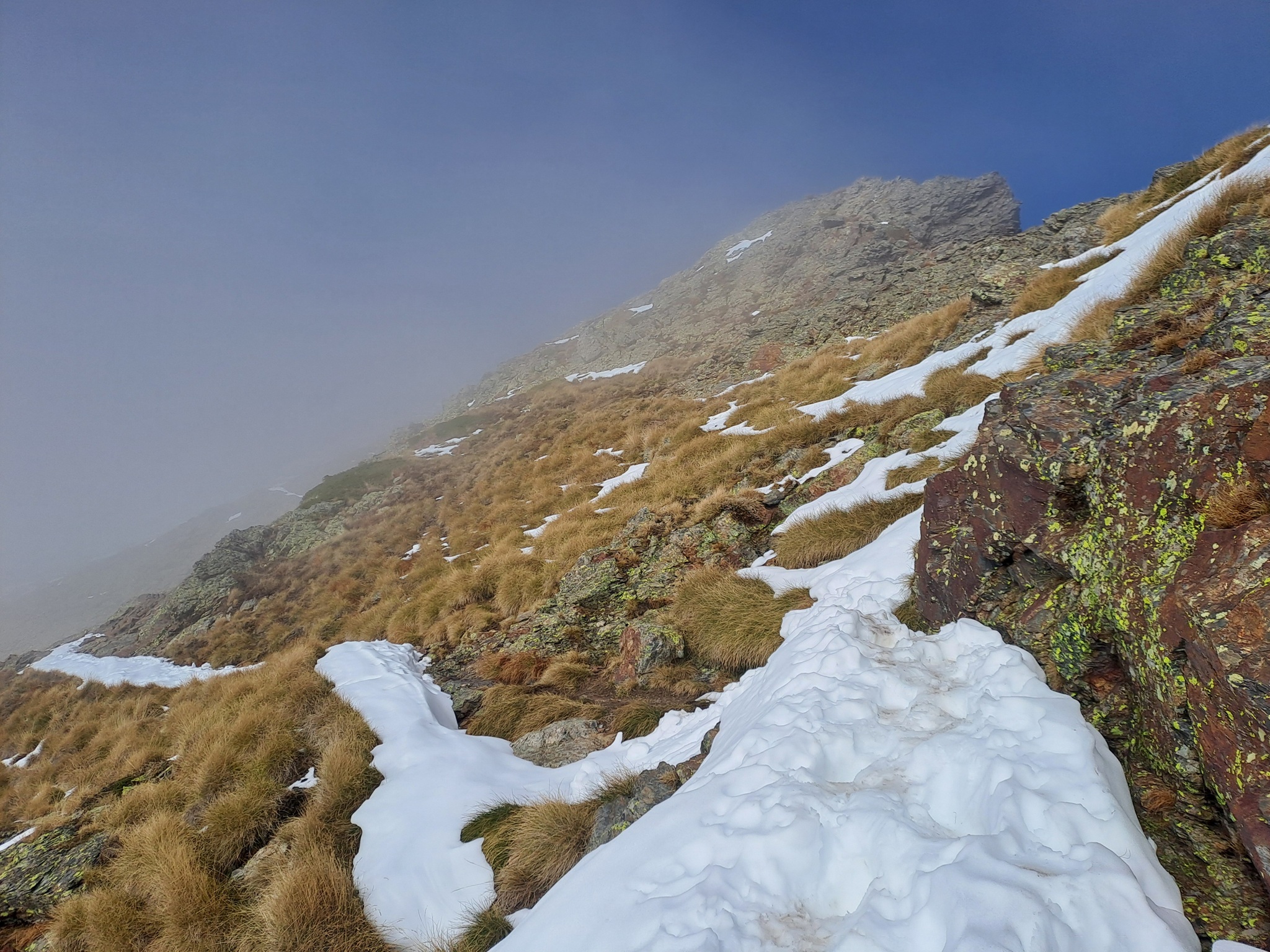
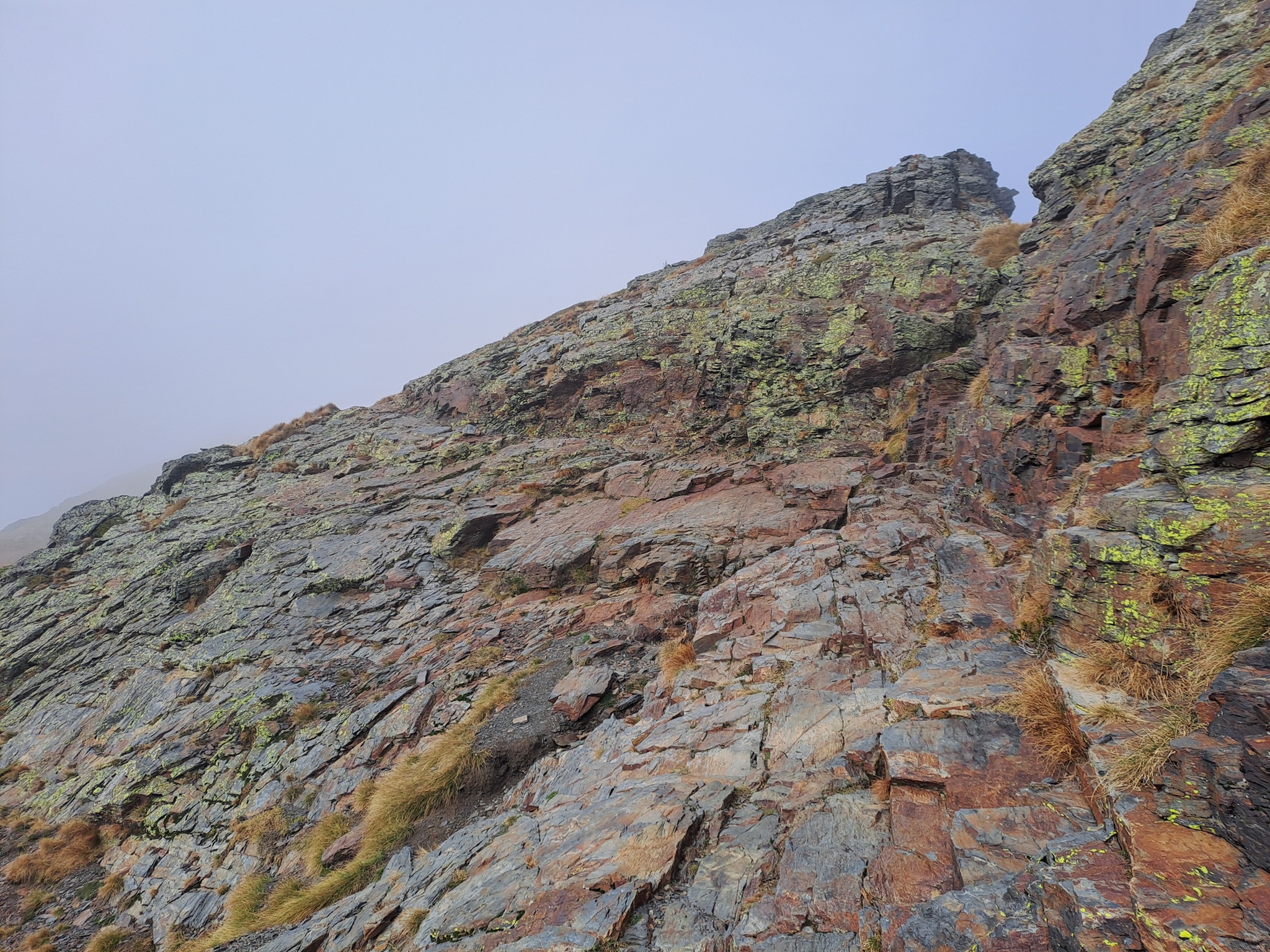
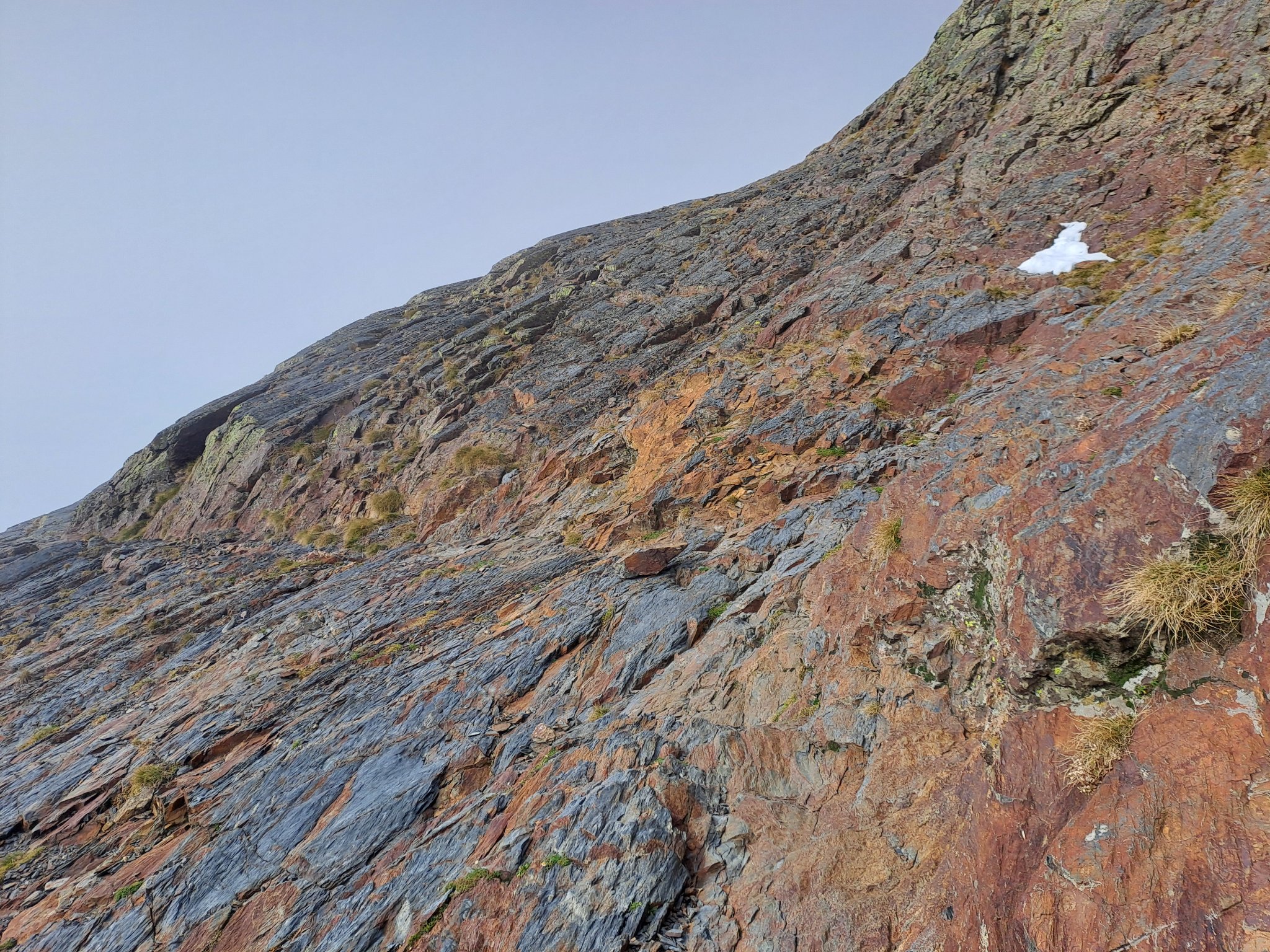
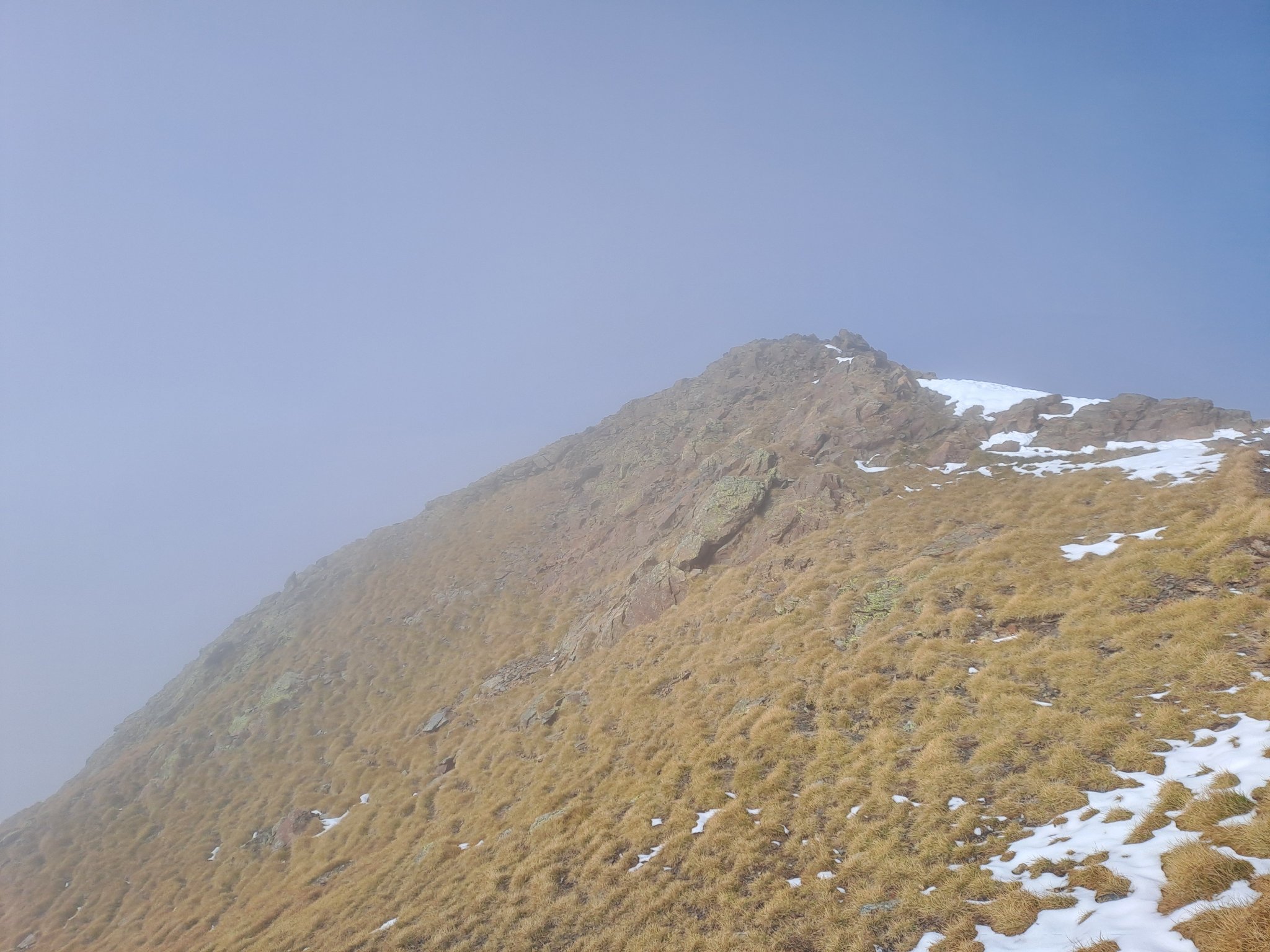
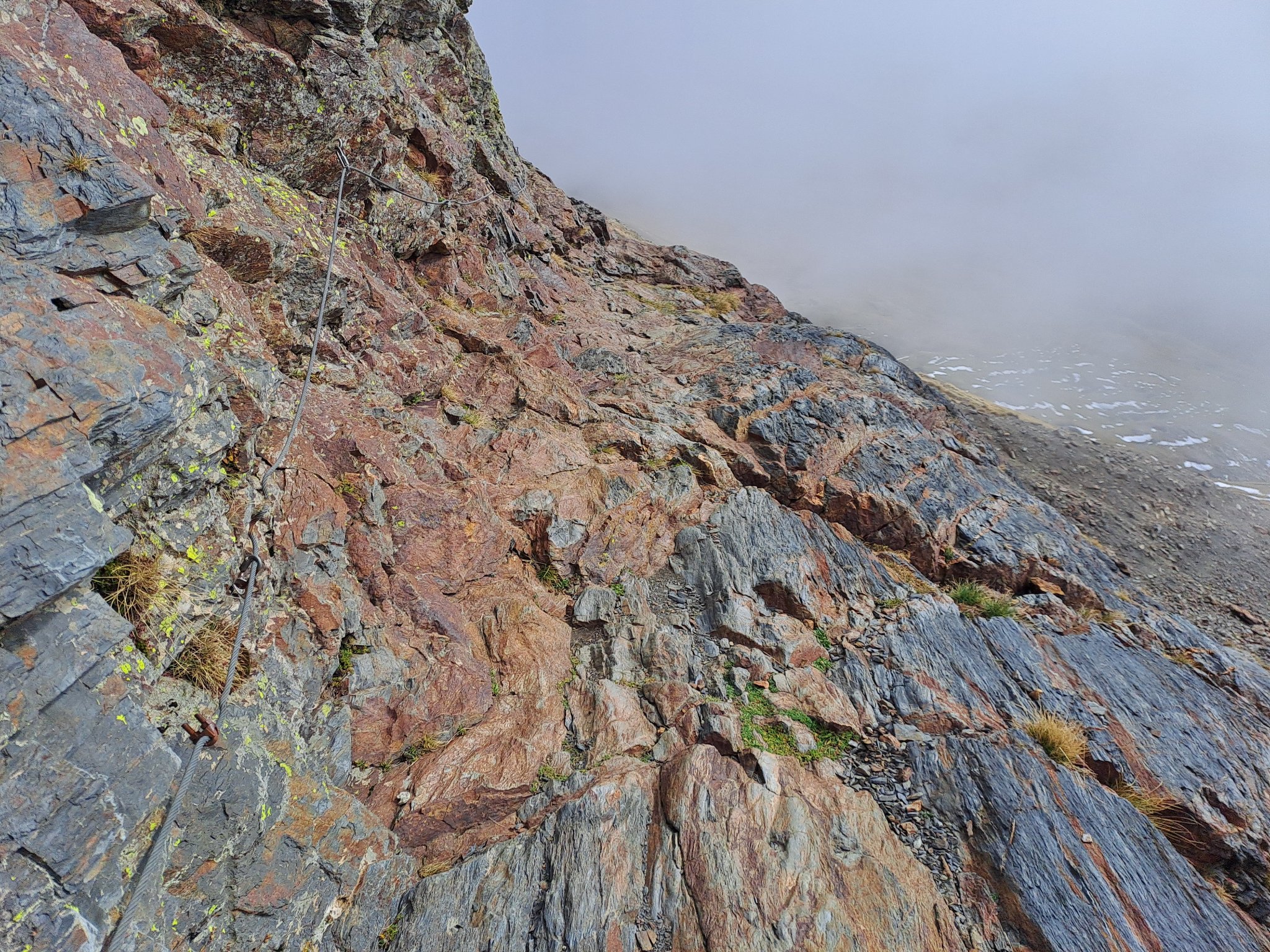
Overall, scaling this mountain is not difficult though it might appear rather intimidating when you peek from below, and some parts can indeed be slightly technical when there is a layer of snow on the earthen and gravel sections of the trail, and especially on the boulders and rocks.
Actually I noticed some of my fellow hikers got discouraged and retraced their steps as it was becoming steeper, despite the trail being clearly visible and there is metal attached to the rock in places to support and guide you.
As a matter of fact, at the end of October it is not so very unlikely that you encounter snow and ice in the Pyrenees, so carrying extra equipment, such as microspikes, crampons and hiking poles may be advisable, as well as warm clothing.
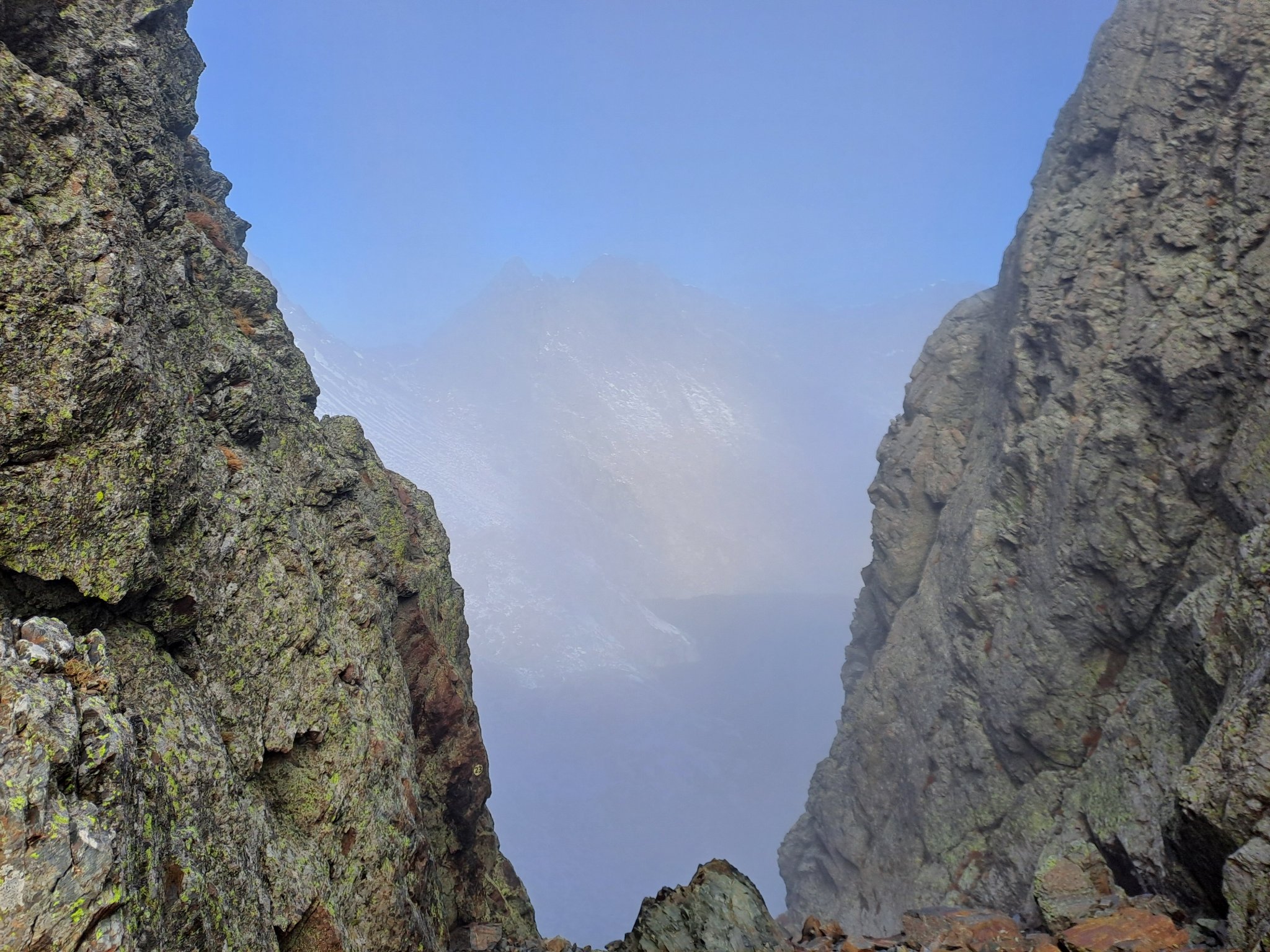
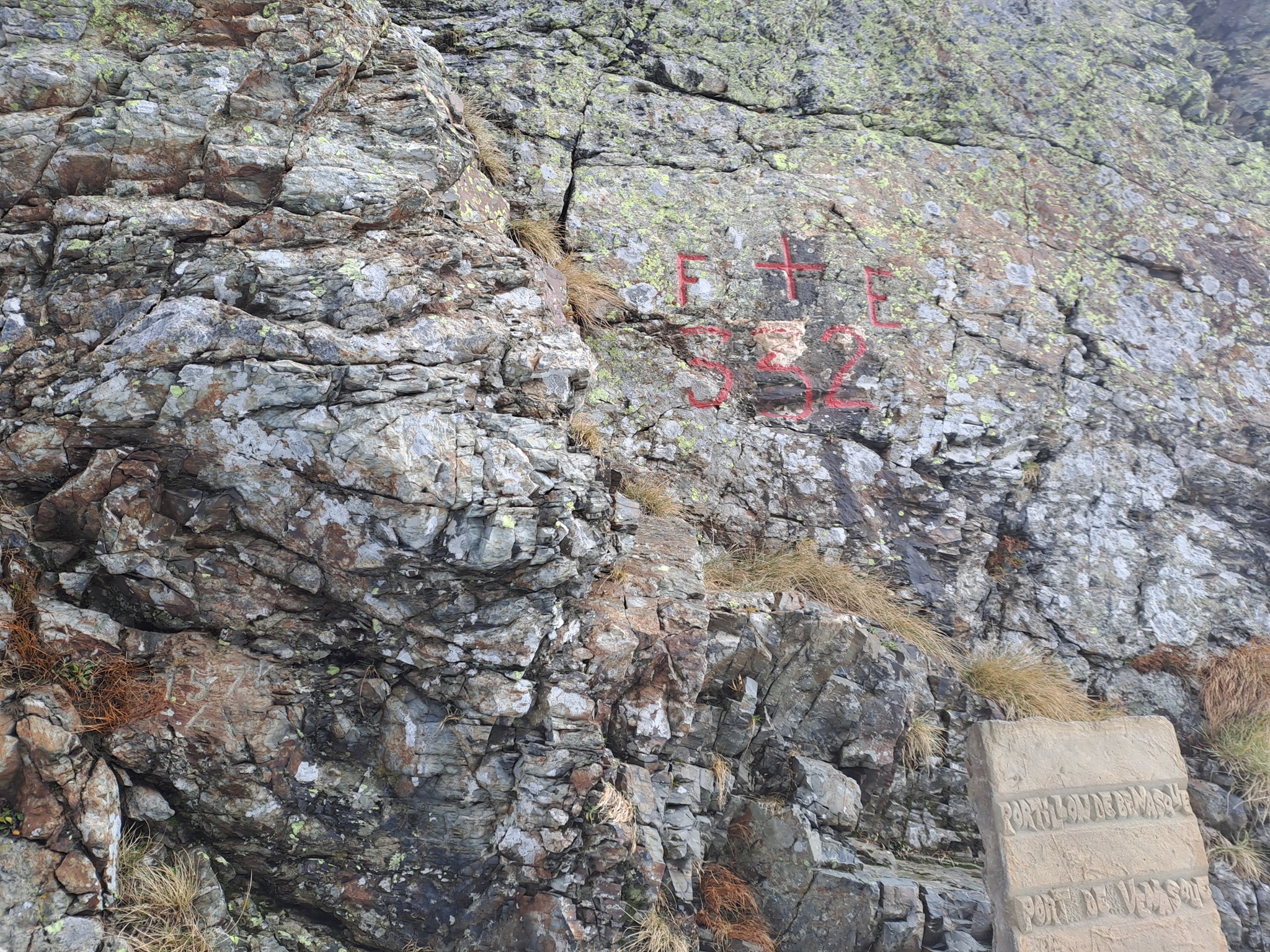
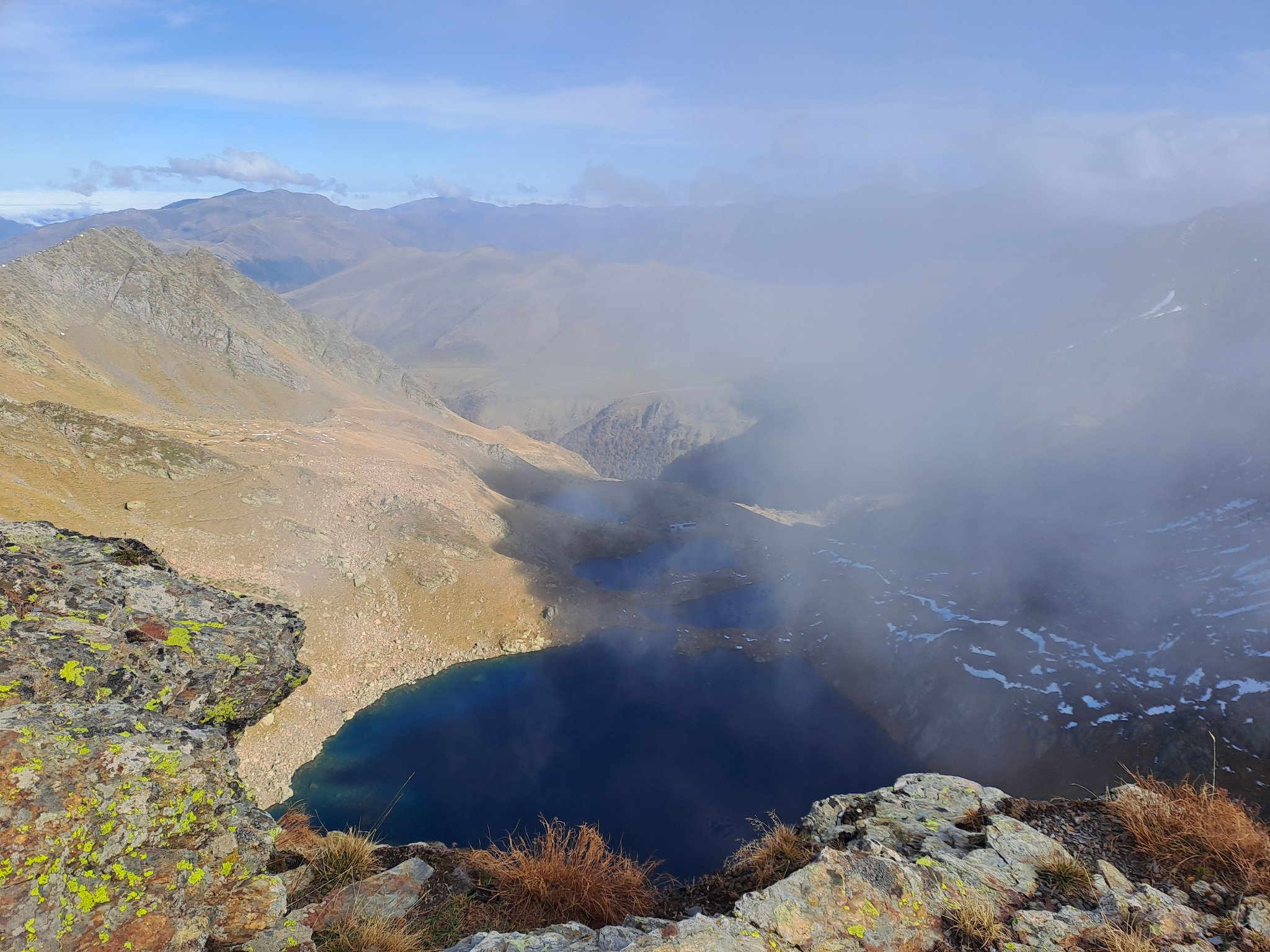
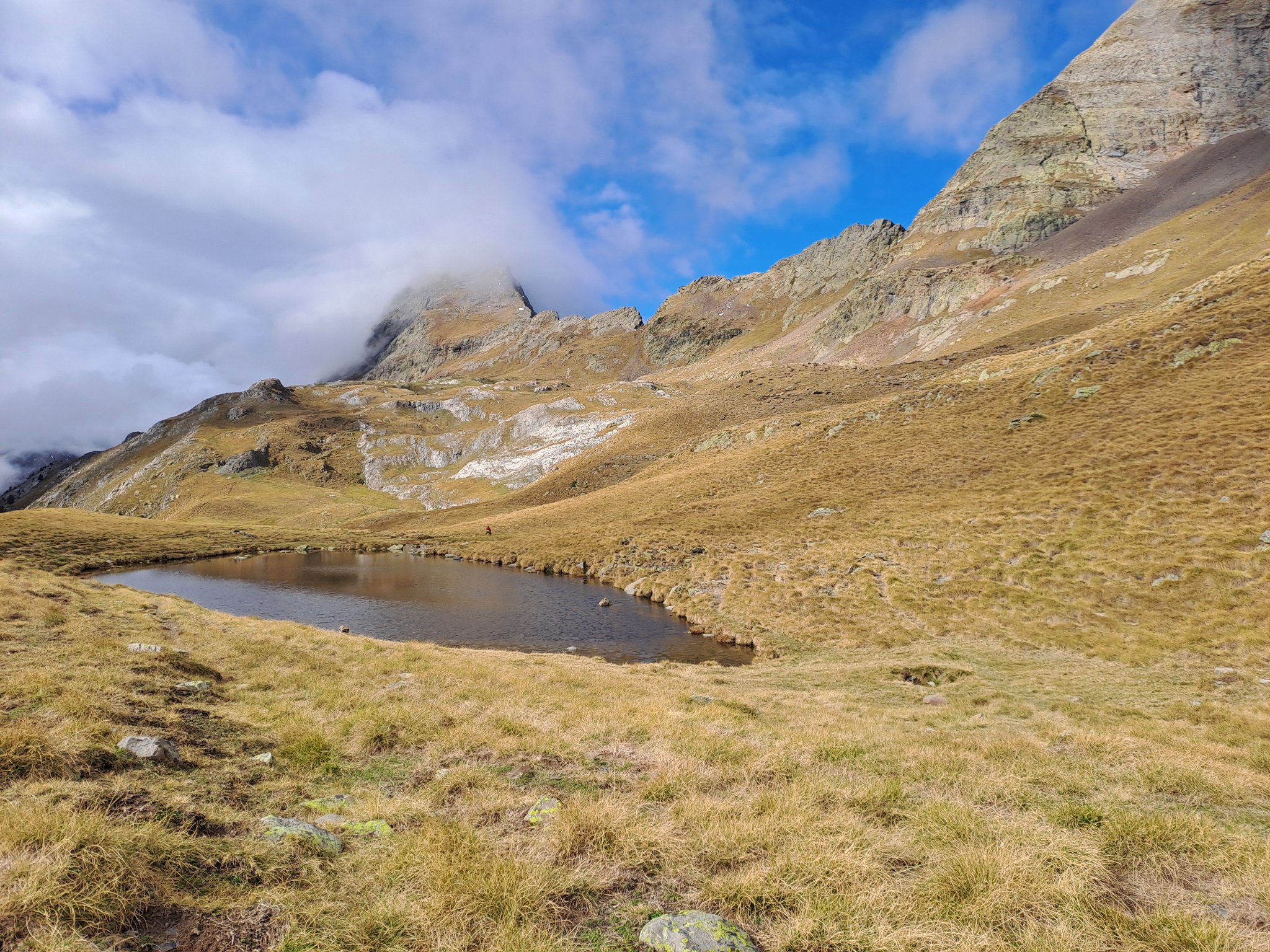
Crossing the border to France is also possible at a mountain pass close-by (Port de Venasque, or Portillon de Benasque in Spanish, see first pictures in the gallery), but there is only the one single tourist trail to the peak from the Spanish side that I’ve just mentioned, and that can be seen on the pictures.
Photo and video gallery
Summary
As stated above, Pico Salvaguardia is not really a technical ascent, so the generic and common sensical advice for preparation and moving around in high altitude mountains applies.
Snow and ice will make additional gear necessary and navigation may get more demanding, obviously. The mountain hut closest to the peak is Refuge de Vénasque, located across the border in France.
Spots for parking your car are abundant (see map), even more so outside the summer season.
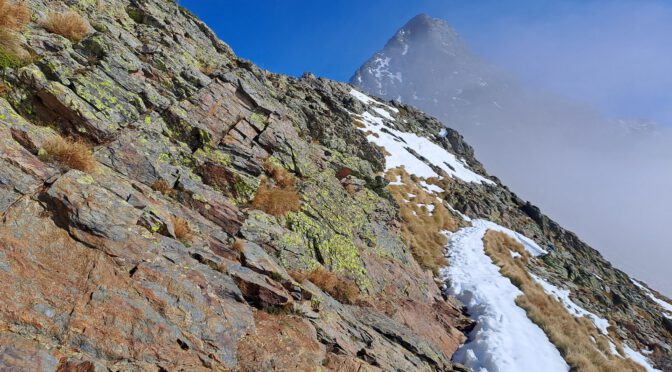
Featured image: Ascent to Pico Salvaguardia, ca. 2500 meters